MISA
Scope
Research and Development
Client
Central Saint Martins Project
Year
[2024]
Industry
Industrial Design
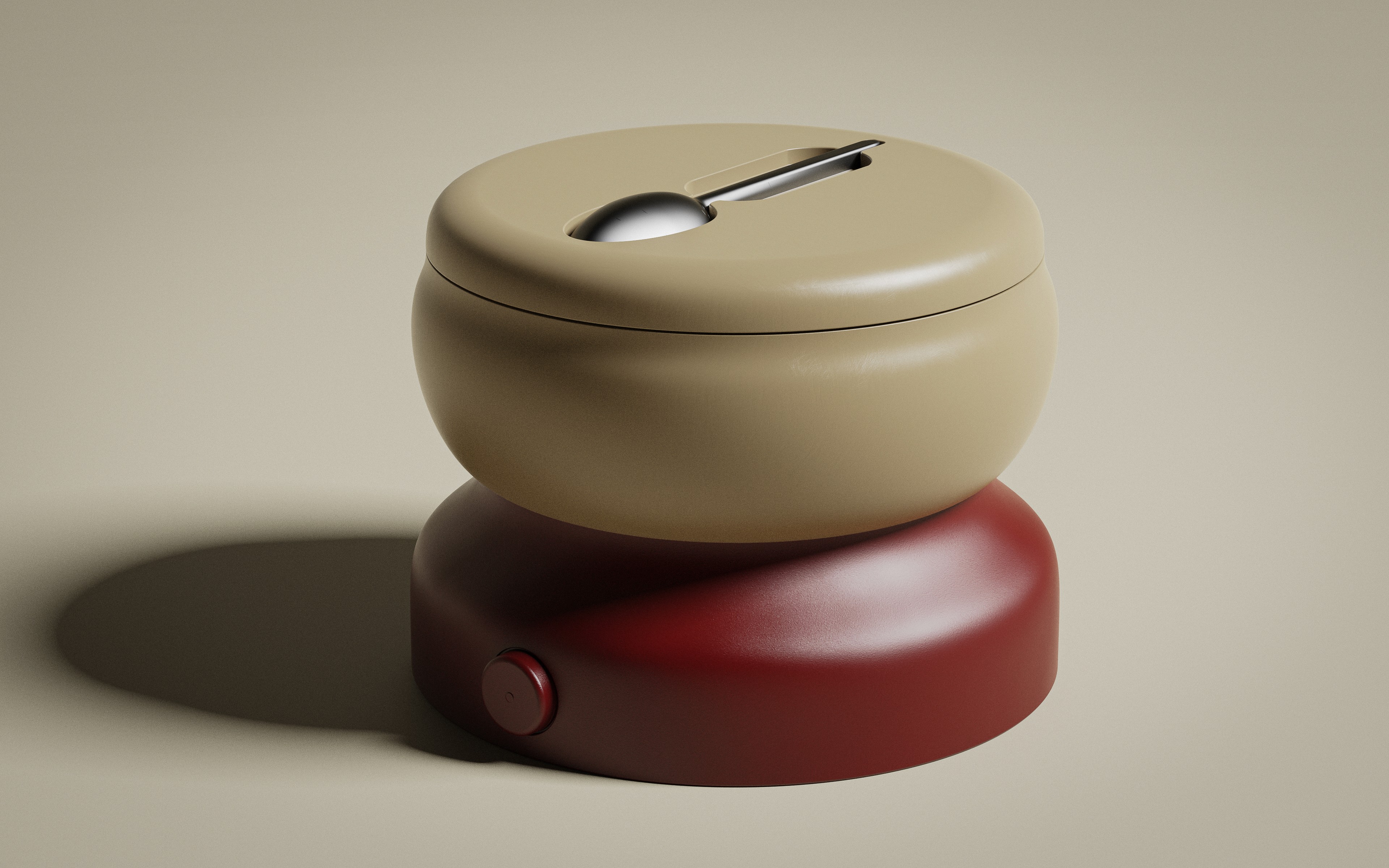
A holistic approach to nutrition. Misa scans your body and assesses your real time vitamin, mineral and oxidative stress levels to design and make a range of hyper-personalised nutritious meals that perfectly suit your needs and lifestyle. The compact design allows you to take the bowl to work or consume ‘on the go’.
Context
Despite growing awareness around nutrition, eating well in a high-pace urban environment remains genuinely difficult. Existing solutions like meal kits, supplements, and apps either demand time or address symptoms rather than causes. Misa was designed around a different premise: that personalised nutrition should be effortless to access and accurate enough to be meaningful. The project combines body scanning technology with automated food preparation in a single compact system designed for life in a city like London.
Approach
The first design decision was narrowing the food format. Soups are nutritionally dense, infinitely variable across cultures, and structurally well-suited to automation: consistent enough in preparation to be mechanised and varied enough to avoid repetition. This made them the right anchor for the system rather than a limitation of it.
Personalisation is driven by OligoScan technology, which assesses vitamin, mineral, and oxidative stress levels in real time. Rather than relying on self-reported dietary preferences, Misa works from biological data — generating meal options that reflect what the body actually needs at that moment.
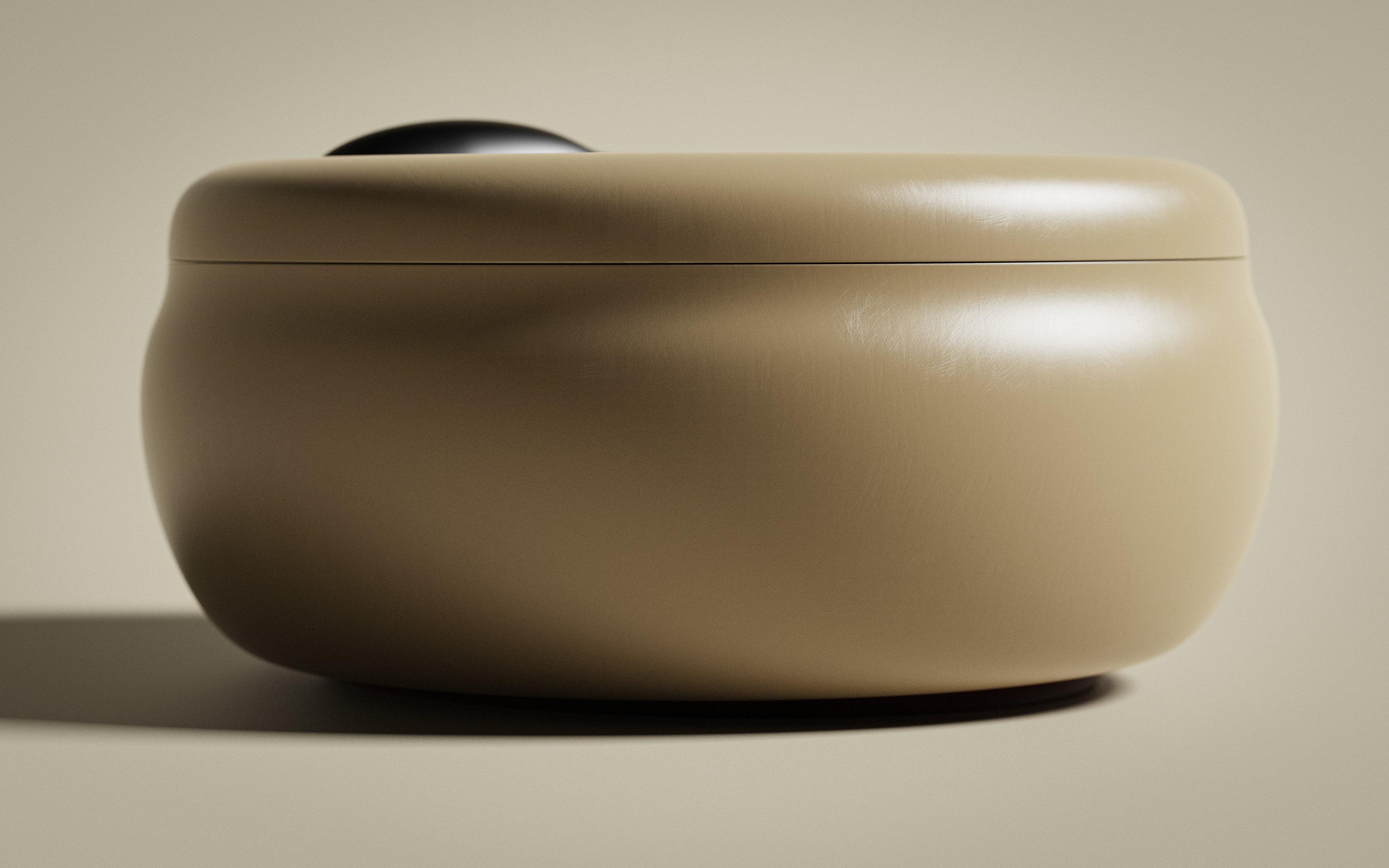
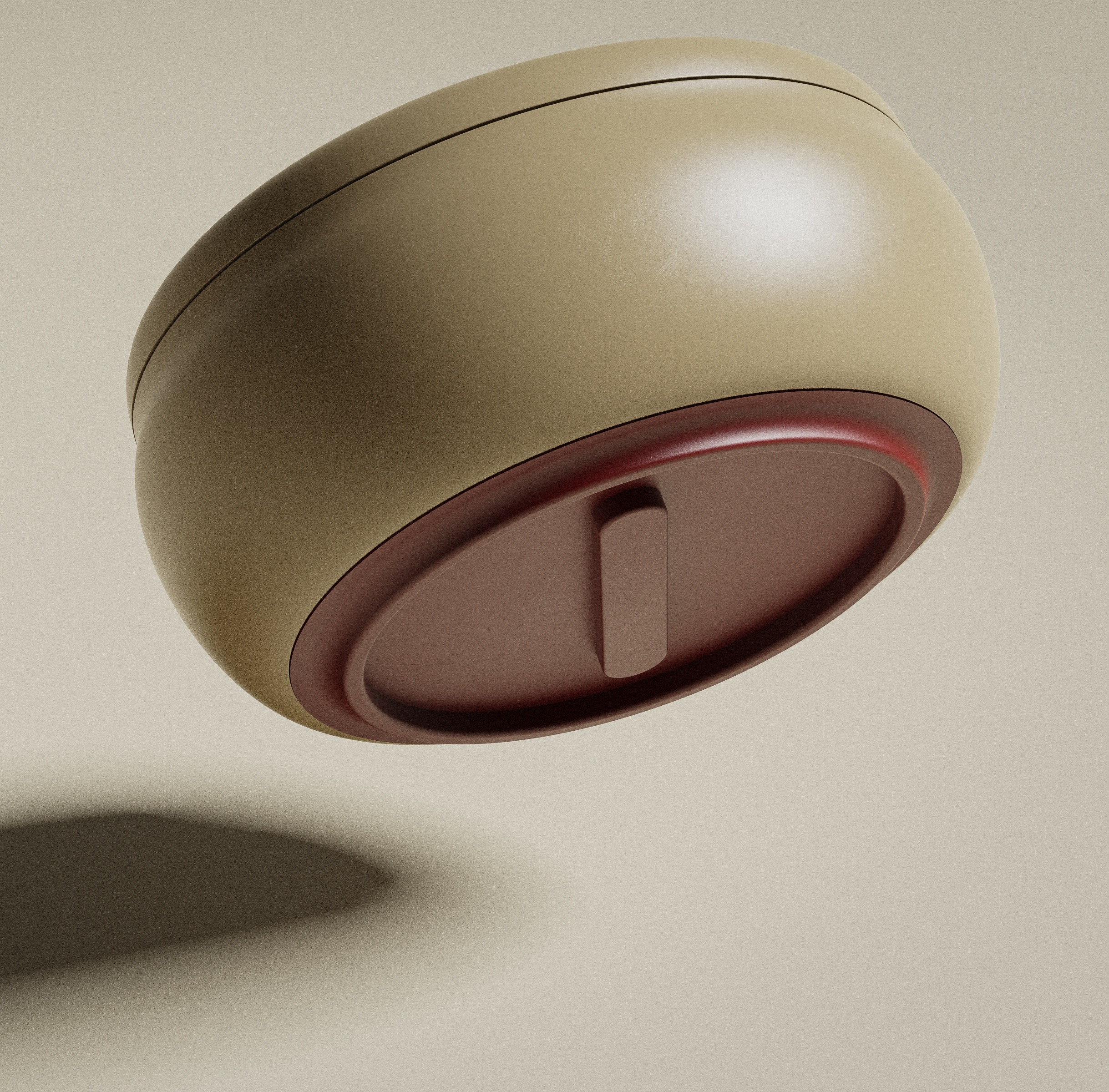
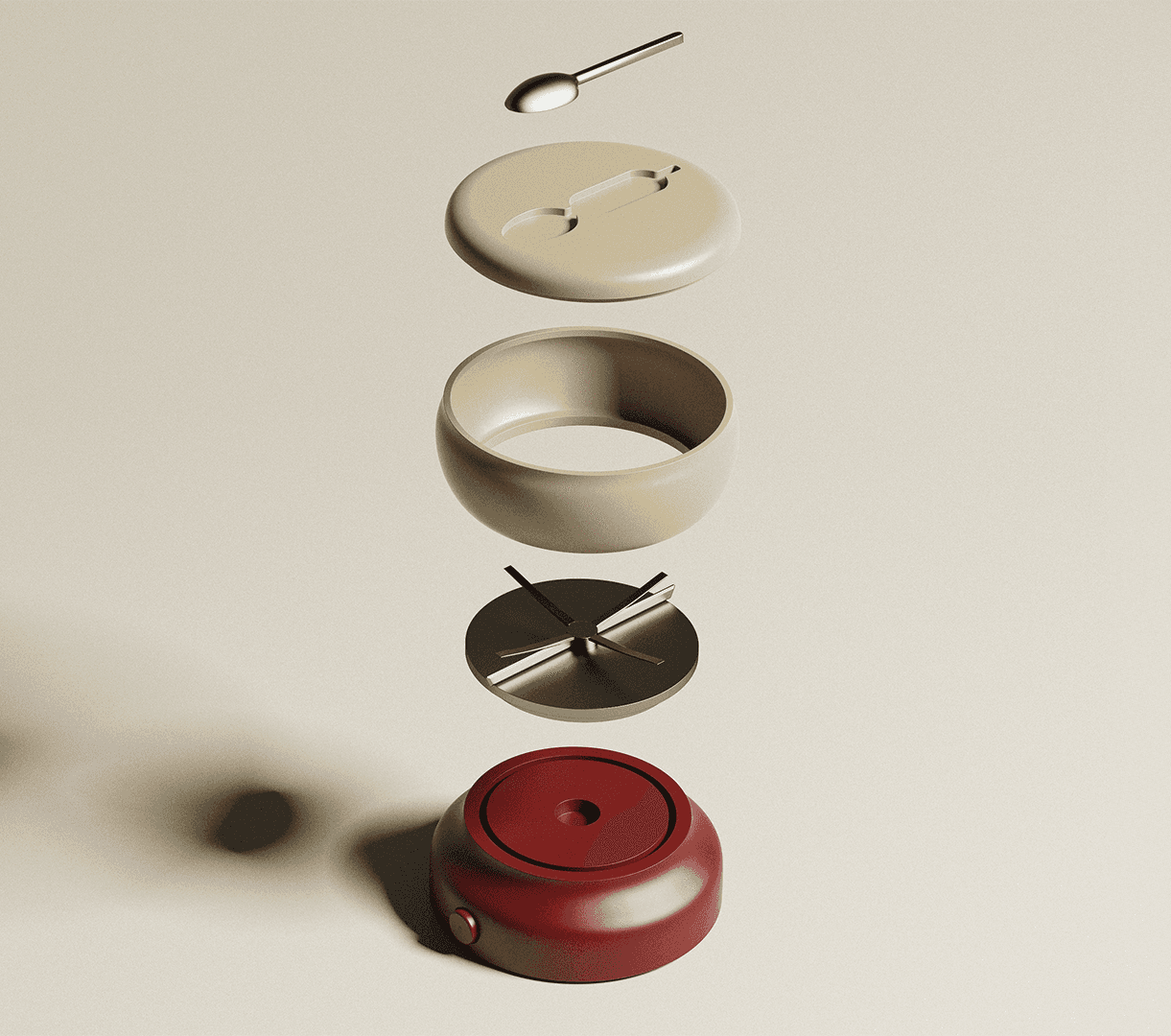
The physical design followed the same logic of removing friction. The preparation hub and the take-out container are one unified object: after preparation, the container inverts, the blending components are replaced with a sealed base, and a magnetic spoon attaches to the exterior. The user leaves with everything they need and nothing extra.
Outcome
The result is a system where the complexity sits entirely on the product's side. From the user's perspective, the interaction is close to effortless: a scan, a selection, and a meal that travels with them.
MISA
Scope
Research and Development
Client
Central Saint Martins Project
Year
[2024]
Industry
Industrial Design
A holistic approach to nutrition. Misa scans your body and assesses your real time vitamin, mineral and oxidative stress levels to design and make a range of hyper-personalised nutritious meals that perfectly suit your needs and lifestyle. The compact design allows you to take the bowl to work or consume ‘on the go’.
Context
Despite growing awareness around nutrition, eating well in a high-pace urban environment remains genuinely difficult. Existing solutions like meal kits, supplements, and apps either demand time or address symptoms rather than causes. Misa was designed around a different premise: that personalised nutrition should be effortless to access and accurate enough to be meaningful. The project combines body scanning technology with automated food preparation in a single compact system designed for life in a city like London.
Approach
The first design decision was narrowing the food format. Soups are nutritionally dense, infinitely variable across cultures, and structurally well-suited to automation: consistent enough in preparation to be mechanised and varied enough to avoid repetition. This made them the right anchor for the system rather than a limitation of it.
Personalisation is driven by OligoScan technology, which assesses vitamin, mineral, and oxidative stress levels in real time. Rather than relying on self-reported dietary preferences, Misa works from biological data — generating meal options that reflect what the body actually needs at that moment.
The physical design followed the same logic of removing friction. The preparation hub and the take-out container are one unified object: after preparation, the container inverts, the blending components are replaced with a sealed base, and a magnetic spoon attaches to the exterior. The user leaves with everything they need and nothing extra.
Outcome
The result is a system where the complexity sits entirely on the product's side. From the user's perspective, the interaction is close to effortless: a scan, a selection, and a meal that travels with them.
MISA
Scope
Research and Development
Client
Central Saint Martins Project
Year
[2024]
Industry
Industrial Design
A holistic approach to nutrition. Misa scans your body and assesses your real time vitamin, mineral and oxidative stress levels to design and make a range of hyper-personalised nutritious meals that perfectly suit your needs and lifestyle. The compact design allows you to take the bowl to work or consume ‘on the go’.
Context
Despite growing awareness around nutrition, eating well in a high-pace urban environment remains genuinely difficult. Existing solutions like meal kits, supplements, and apps either demand time or address symptoms rather than causes. Misa was designed around a different premise: that personalised nutrition should be effortless to access and accurate enough to be meaningful. The project combines body scanning technology with automated food preparation in a single compact system designed for life in a city like London.
Approach
The first design decision was narrowing the food format. Soups are nutritionally dense, infinitely variable across cultures, and structurally well-suited to automation: consistent enough in preparation to be mechanised and varied enough to avoid repetition. This made them the right anchor for the system rather than a limitation of it.
Personalisation is driven by OligoScan technology, which assesses vitamin, mineral, and oxidative stress levels in real time. Rather than relying on self-reported dietary preferences, Misa works from biological data — generating meal options that reflect what the body actually needs at that moment.
The physical design followed the same logic of removing friction. The preparation hub and the take-out container are one unified object: after preparation, the container inverts, the blending components are replaced with a sealed base, and a magnetic spoon attaches to the exterior. The user leaves with everything they need and nothing extra.
Outcome
The result is a system where the complexity sits entirely on the product's side. From the user's perspective, the interaction is close to effortless: a scan, a selection, and a meal that travels with them.